
Overview
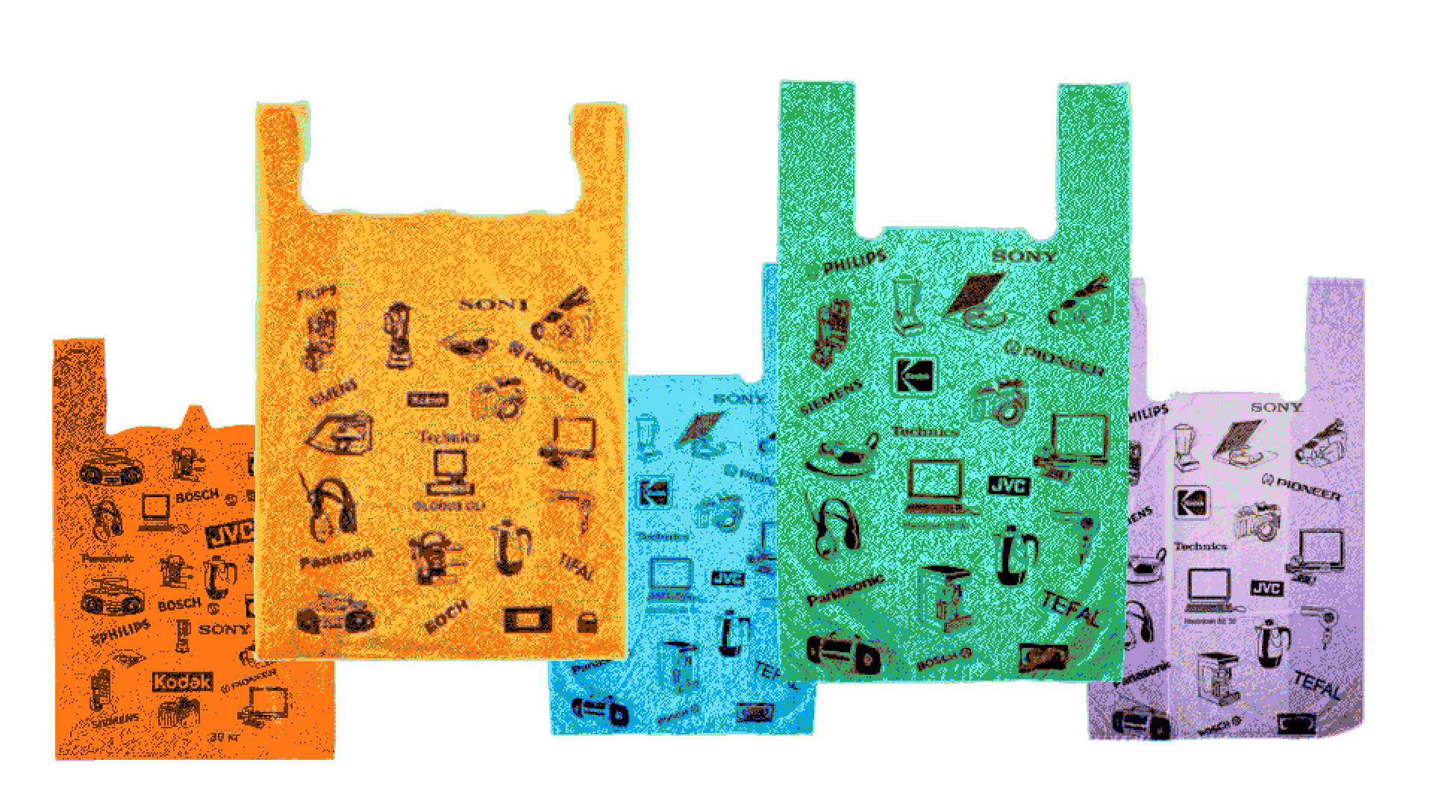
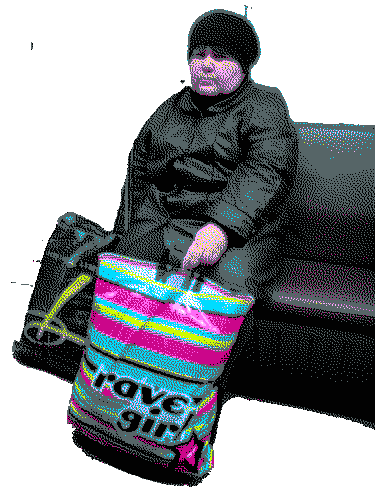
"Packetnitsa" (from Russian "пакетница" – a place where bags are kept) is an anthropological internet archive of relationships with disposable plastic bags. Visitors are invited to share photographs and stories of bags that became meaningful to them at any point in their lives, and to leave comments on bags already in the archive.
Unfortunately, this project was designed for a Russian-speaking audience and is currently only available in Russian – please, use auto-translation to explore the archive.
Tools: HTML, Tilda, Google Forms
Context: Independent web project, 2026
"Packetnitsa" (from Russian "пакетница" – a place where bags are kept) is an anthropological internet archive of relationships with disposable plastic bags. Visitors are invited to share photographs and stories of bags that became meaningful to them at any point in their lives, and to leave comments on bags already in the archive.
Unfortunately, this project was designed for a Russian-speaking audience and is currently only available in Russian – please, use auto-translation to explore the archive.
Tools: HTML, Tilda, Google Forms
Context: Independent web project, 2026
Concept

In the post-Soviet space of the 1990s and 2000s, plastic bags were not disposable in the way they are today. Under conditions of scarcity, they were washed, folded, stored, and reused – accumulating in kitchen drawers as practical objects and, over time, as vessels of memory.
"Famous post-Soviet bags from the 90s and 00s" – that is how the internet returns them today: as a set of recognizable cellophane images, as nostalgic objects. What once accumulated and was repurposed under conditions of deficit now returns as recognition under conditions of oversaturation. But recognition is only the entry point into more complex relationships with things.
The archive connects the production of the past with the present – treating the disposable bag not as kitsch or irony, but as a carrier of personal and collective memory.
"Famous post-Soviet bags from the 90s and 00s" – that is how the internet returns them today: as a set of recognizable cellophane images, as nostalgic objects. What once accumulated and was repurposed under conditions of deficit now returns as recognition under conditions of oversaturation. But recognition is only the entry point into more complex relationships with things.
The archive connects the production of the past with the present – treating the disposable bag not as kitsch or irony, but as a carrier of personal and collective memory.
Framework
Before starting the project I've looked through several theoretical lenses. However, none of them were imposed rigidly. Rather, they offer different ways of entering the same object.
Before starting the project I've looked through several theoretical lenses. However, none of them were imposed rigidly. Rather, they offer different ways of entering the same object.
- Igor Kopytoff's concept of the "cultural biography of things" provides the core: a bag moves through different modes of existence – commodity, gift, storage vessel, relic, waste – and each transition changes what it is.
- Alexei Yurchak's work on post-Soviet everyday life gives the historical frame: under conditions of scarcity, the bag was never disposable – it was washed, saved, and circulated through informal social networks, and this history is still present in the object.
- Svetlana Boym's distinction between restorative and reflective nostalgia shapes how the archive handles recognition – not as a recovery of the past, but as an interest in the gap between then and now.
- Sara Ahmed's theory of affective "sticking" explains why certain bags feel immediately familiar: emotions circulate and attach to objects through repetition, arriving before any conscious interpretation.
Process
The project began on Readymag, but two problems emerged: adapting the layout for mobile was difficult, and the platform's hosting is only accessible with a VPN outside Russia. The project moved to Tilda, where the portfolio is now based.
The initial archive was assembled from blogs, posts, and comment threads across the Russian internet – it became clear that there is a recognizable pool of 20–30 bags that almost everyone from the post-Soviet space identifies immediately, and that enough information existed about them to begin building entries. After the site launched, several visitor contributions were submitted and are now included in the archive.
At one point I considered designing a typeface based on visual elements found on the bags themselves. However, without a clear purpose for the form and without a way to do it well outside of AI assistance, the idea was put on hold – to avoid spending time and resources on something that did not yet have a reason to exist.
The initial archive was assembled from blogs, posts, and comment threads across the Russian internet – it became clear that there is a recognizable pool of 20–30 bags that almost everyone from the post-Soviet space identifies immediately, and that enough information existed about them to begin building entries. After the site launched, several visitor contributions were submitted and are now included in the archive.
At one point I considered designing a typeface based on visual elements found on the bags themselves. However, without a clear purpose for the form and without a way to do it well outside of AI assistance, the idea was put on hold – to avoid spending time and resources on something that did not yet have a reason to exist.
